
If you've thought about learning to code in the last year, you've probably had the same nagging worry: is it even worth it now that AI can write software for me? Fair question. AI coding assistants have gone from a novelty to something most developers use every single day, and it's happened fast. But the " coding is dead " headlines miss a lot of nuance. Here's what's actually going on: Job listings for narrow "programmer" roles have dropped sharply AI now writes a genuine chunk of code at the biggest tech companies Senior engineering hiring and salaries are still climbing regardless Let's get into the questions people are actually asking.

What if your website isn't losing traffic… it's losing customers? If your website is confusing, slow or difficult to navigate, visitors won't stick around—they'll leave for a competitor. That's where UX web design makes the difference. A great user experience helps visitors find what they need, builds trust and turns more clicks into customers.

Here’s a situation that probably sounds familiar. You’ve got a blog that gets updated when someone remembers it exists. Your social media is a mix of promotional posts, the occasional thought-leadership piece your manager asked for, and a “happy Friday” graphic from three months ago. You’re creating content — technically — but you couldn’t honestly tell someone what it’s supposed to be doing. You’re not alone. The majority of businesses are in exactly the same position: producing content without a plan, wondering why it isn’t moving the needle , and quietly suspecting there’s a better way to do this. There is. It’s called a content strategy . And no, it’s not a 40-slide deck that lives in a shared drive and gets looked at once.

Mastering Omnichannel Synchronization in 2026

In the high-stakes world of business, there’s a flashy obsession with customer acquisition. We love the thrill of the hunt—the new lead, the signed contract, the "Welcome!" email. But if you’re focusing all your energy on filling the bucket while ignoring the giant holes in the bottom, you aren't growing; you’re just sprinting in place. The real heavy hitters know that the real money isn't made on the first sale. It’s made on the tenth.

Why Vertical Specialization is the Ultimate Growth Lever for Digital Agencies
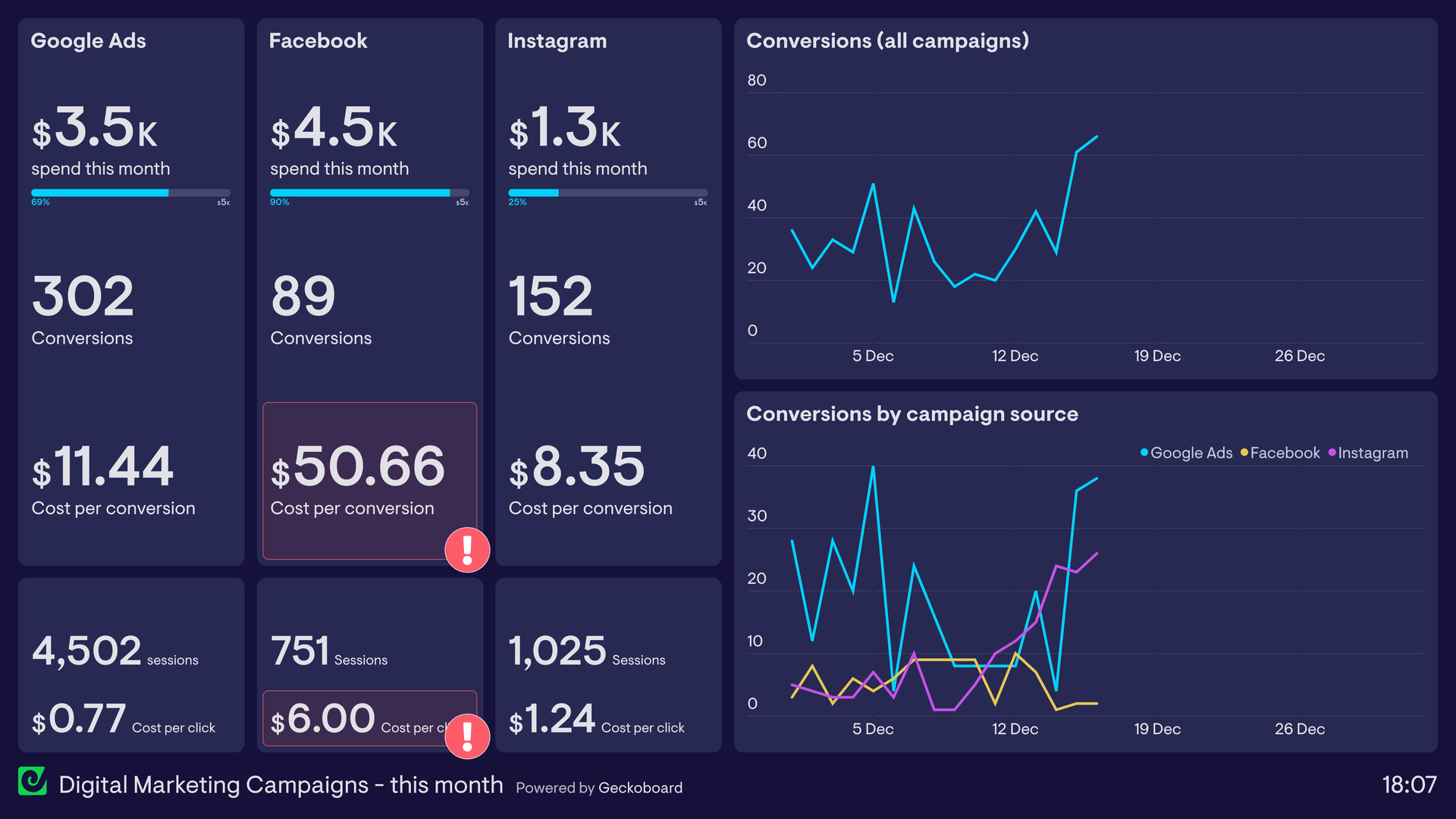
Digital marketing is one of those terms that feels obvious until someone asks you to explain it properly. At that point, most explanations collapse into: “Running ads” “Posting on social media” “Doing SEO” Or the vague classic: “being online” None of those are wrong — but none of them are the whole picture either. Digital marketing is how businesses attract, convert, and retain customers using digital channels. Simple definition. Complicated execution.

AI Is an Accelerator, Not a Brain AI only performs as well as the thinking behind it. Before automation ever goes live, there needs to be clarity on: The single primary business objective What success looks like beyond platform metrics Which outcomes actually drive revenue When AI is pointed at a clear destination, it performs exceptionally. When it isn’t, it optimises noise. Strategy → Inputs → Automation → Outcomes

By 2026, Performance Max mistakes are rarely technical. They’re strategic. The platform does exactly what it’s told — sometimes a little too well. Here are the most common Performance Max optimisation mistakes we still see, with examples that explain why results go sideways.